

Policies to support sustainability and indigenous foods across Menominee County/Nation
CHALLENGE
Indigenous knowledge, language and culture can promote community empowerment and are important components of health promotion efforts in the Menominee County/Nation. A commitment to traditional values and ways of knowing is driving efforts to increase access to healthier foods and guide nutrition standards policies in key community settings in the rural community of Menominee County/Nation.
Data Snapshot
77%
of Menominee County employees are interested in healthier food options and/or Menominee foods in vending machines
83.3%
of 4H club members said they were extremely or very interested in eating Menominee traditional foods at 4H meetings (such as wild rice, berries, squash or fish)
83.3%
of 4H club respondents said they would bring a dish bag to meetings if they had one
APPROACH
Kemāmaceqtaq team members:
RESULTS
HeadStart
4H clubs in Neopit and Keshena
Menominee County courthouse and public facilities building
Menīkānaehkem
A commitment to sustainability, e.g. reducing one-time use plastics and promoting the use of dish bags, a traditional practice of sustainability and waste
Promoting local and indigenous foods at concessions, community meetings and vending; Supporting the development of the Harvest of the Moon program
Making water readily available and promoting it as the beverage of choice at community meetings
Serving fruits, vegetables and/or whole grains for all 4H snacks and meals
Providing at least one fresh fruit, one fresh vegetable and low-fat dairy options at concession sales
Promoting snack foods with limited salt, solid fats and added sugars at concessions and vending machines
Once policies are passed, the Kemāmaceqtaq project will provide supplies and technical assistance support to maintain nutrition standards implementation. Three additional community sites are starting to partner with the Kemāmaceqtaq team in developing nutrition standards year two into year three of the project.
“I fully promote healthy vending options. I would use them more with healthier food options.” – Menominee County employee
Contact Us
Cooperative agreement: Outreach Programs to Reduce the Prevalence of Obesity in High Risk Rural Areas Agreement (1809) funding from the Centers for Disease Control and Prevention
Recipient: University of Wisconsin-Madison, Division of Extension
Strategy focus: Nutrition standards
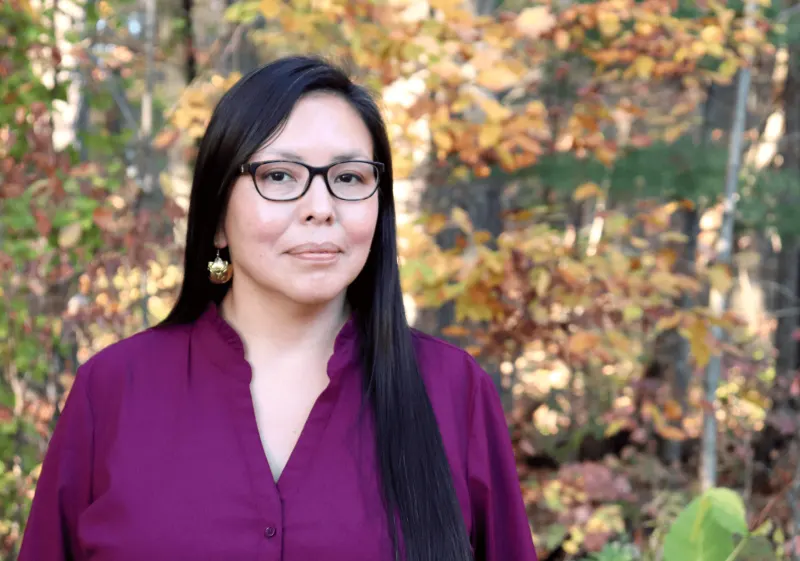
Jennifer Gauthier
Director Sustainable Development Institute of the College of Menominee Nation, former Community Development Educator Division of Extension – Menominee County/Nation, Menominee Tribal Member