Turtle Island Tales: Strengthening Early Learning Through Culture and Wellness in Red Cliff
Public Health Challenge
Early childhood is a key time for building healthy habits that last a lifetime. Families in the Red Cliff Band of Lake Superior Chippewa face unique challenges due to rural geography and limited access to health-promoting resources. Educators at the Red Cliff Early Childhood Center (ECC) wanted nutrition and wellness materials that reflected Ojibwe history and traditions while supporting young children’s growth. They also saw a need for resources that could engage parents and caregivers in learning about food, physical activity, sleep, stress, and emotional well-being.
Approach
FoodWIse, a SNAP-Ed funded program of UW-Madison Division of Extension, partnered with Red Cliff ECC, the Red Cliff Cultural Resources Department, the Great Lakes Inter-Tribal Council, Inc. (GLITC), and Montana State University to adapt the Turtle Island Tales program for Ojibwe families. The team infused the curriculum with local language, stories, and practices. Materials included Ojibwe pronunciation guides, Indigenous recipes, My Native Plate, tobacco ties, and gratitude statements.
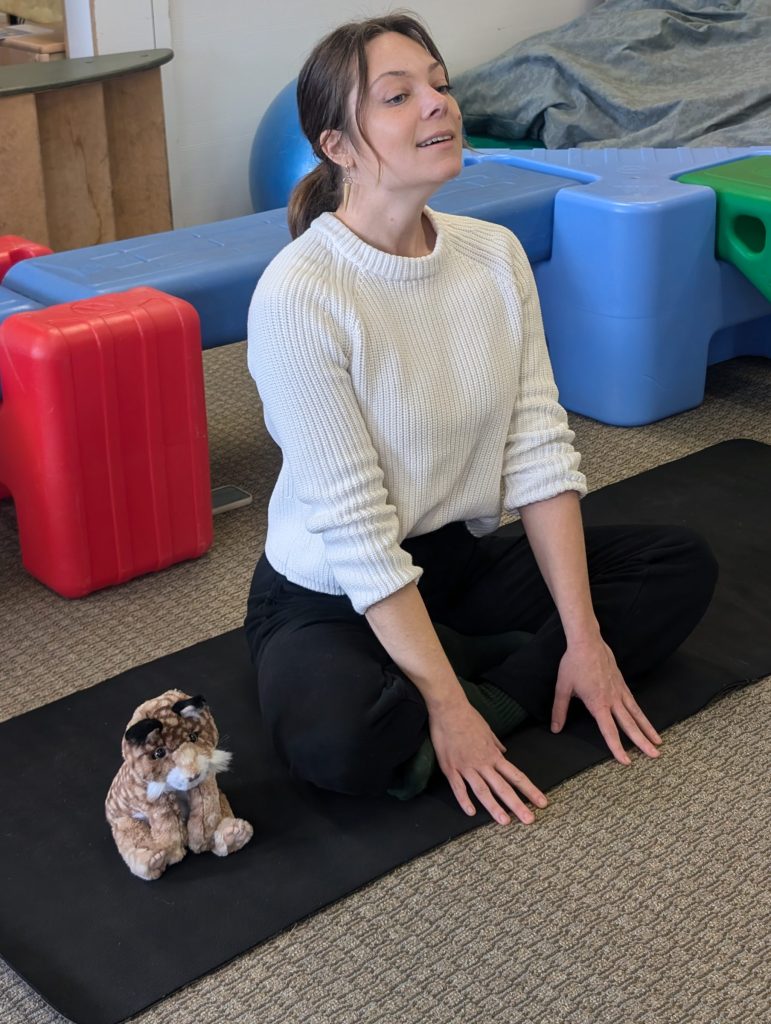
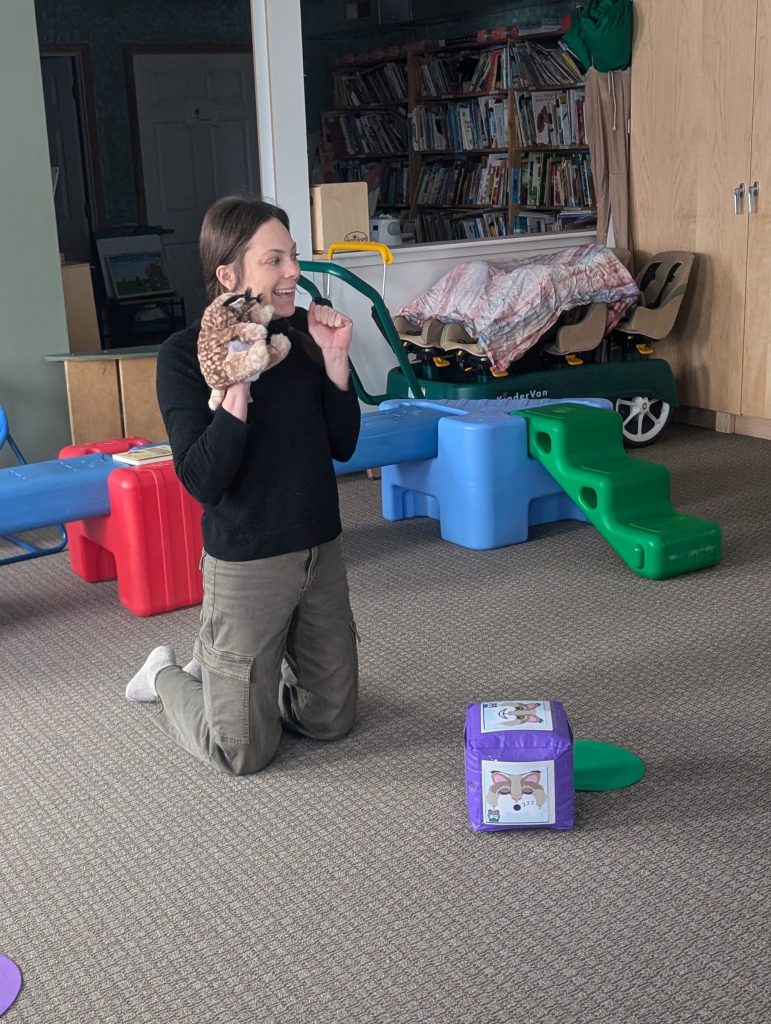
During the 2024-2025 academic year, 32 families participated. Each month from September through July, families received a packet with story-based lessons, activities, and culturally relevant resources centered on a specific wellness topic. FoodWIse educators also taught 12 classroom lessons in partnership with the GLITC educator. Lessons introduced children to Igmu, the main character in Turtle Island Tales, while encouraging healthy eating and movement through cultural stories and food tastings.
“Turtle Island Tales has elevated our programming with tribal partners, young learners, staff, and parents. By building on MSU’s health and wellness foundation, we’ve created tribe-specific resources that strengthen ties with Bayfield County early learning centers and make our work more relevant. Including each community’s culture makes the programming more meaningful, and by sharing lessons in different ways we meet partners where they are.”
— Stephanie Bakker, FoodWIse Nutrition Coordinator
Results
Families, educators, and ECC staff shared that having culturally grounded wellness materials made the program more meaningful and engaging. Pairing the adapted curriculum with classroom nutrition lessons provided young children and their families with multiple ways to practice healthy habits together.
The pilot also helped identify a more sustainable model for the future. Creating individualized send-home kits was time-intensive for staff and cost-prohibitive for expansion. Based on feedback from FoodWIse and Red Cliff ECC, Montana State University developed a new classroom-based version of Turtle Island Tales using monthly teacher packets.
Red Cliff ECC will shift to this classroom-based model in the 2025-2026 school year, and FoodWIse will support Bayfield Head Start in adopting it as well. The new format allows educators to integrate Ojibwe-adapted materials directly into their daily routines while maintaining cultural relevance and family engagement.