

Success Stories

Health & Well-Being Success Stories
At Extension’s Health & Well-Being Institute, we’re on a mission to make Wisconsin a healthier place to live. We tackle the big challenges – like food security, preventing chronic diseases, and improving mental health – through research-based programs.
Hmong-Focused Farm to School Helps Students Connect With Culturally Relevant Foods
In many Wisconsin schools, students rarely encounter foods that reflect their cultural lives at home. This is especially true for Hmong students. Vegetables such as purple cilantro, mustard greens, squash, and yardlong beans are common in Hmong cooking, yet they seldom appear in school-based nutrition lessons or taste-testing activities.

Extension Team Enhances Recreation Spaces in Menominee County Nation
The Extension Menominee County/Nation Kemāmaceqtaq team convened community members and organizations to complete Wisconsin’s Active Community Toolkit assessment, along with three walking audits using an intergenerational approach, to identify opportunities to improve community design and land use, promote active transportation, and enhance and promote places to be physically active.
Building and sustaining momentum in local government for healthy eating and active living environments
With an orientation to holism and interweaving Menominee language and culture, project collaborators at Menominee County government are taking steps to increase traditional and nutritious food offerings and opportunities for movement and engagement with nature.
Policies to support sustainability and indigenous foods across Menominee County/Nation
A commitment to traditional values and ways of knowing is driving efforts to increase access to healthier foods and guide nutrition standards policies in key community settings in the rural community of Menominee County/Nation.
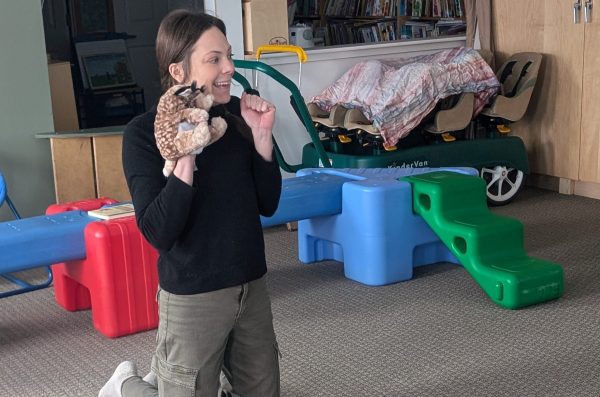
Turtle Island Tales: Strengthening Early Learning Through Culture and Wellness in Red Cliff
Early childhood is a key time for building healthy habits that last a lifetime. Families in the Red Cliff Band of Lake Superior Chippewa face unique challenges due to rural geography and limited access to health-promoting resources. Educators at the Red Cliff Early Childhood Center (ECC) wanted nutrition and wellness materials that reflected Ojibwe history and traditions while supporting young children’s growth.
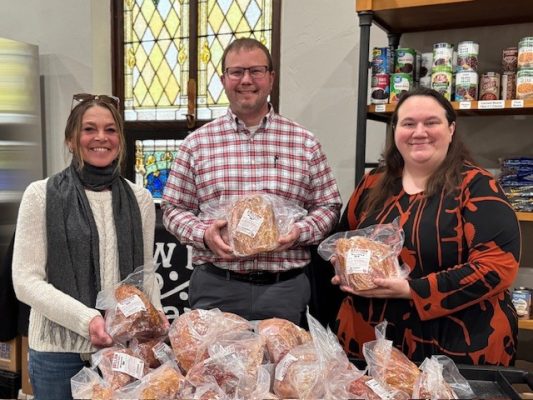
Give a Helping Ham: Expanding Access to Local Protein During the Holidays
Protein is essential for health and often difficult for families to afford. Pantries in Manitowoc receive few protein donations, and even fewer after the USDA-funded WI Local Food Purchase Assistance Program ended in January. Misfits Homegrown had supplied meat to Grow It Forward through that program for three years, so the funding loss reduced pantry access and farm income.
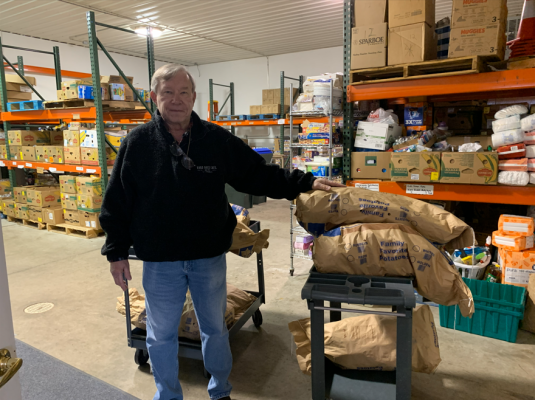
The Spud Run: Expanding Access to Fresh Local Produce in Northeast Wisconsin
As a UW-Madison Extension staff member working to strengthen food security in Door, Kewaunee, and Manitowoc Counties, Laura Apfelbeck is helping pantries connect with local food producers through the USDA-funded WI Local Food Purchase Assistance Program. When that program lost funding in January 2025, many rural pantries were left without a reliable source of local foods.

Glean Manitowoc: Sustainable Food Access & Food Recovery
Now in its third year, Glean Manitowoc continues to bring fresh, local food from the Downtown Manitowoc Farmers Market to community members in need.

The Big Apple Project: Strengthening Local Food Systems Across Northeast Wisconsin
On a crisp fall morning, workers load bins of apples at the Door County Peninsular Agricultural Research Station (PARS), fruit that in prior years was sold for deer bait because the research station lacked staff, harvesting vests, and bins needed to collect and sort apples for human consumption.
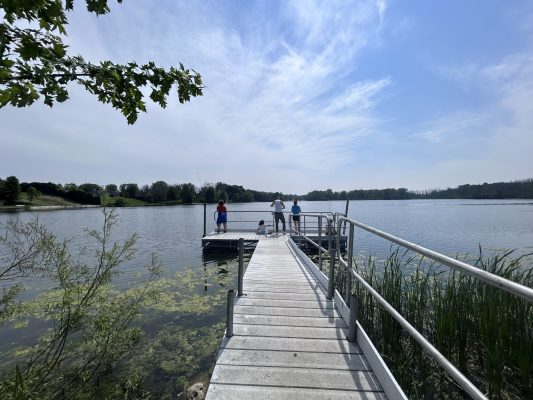
Thriving Together: Empowering Adults Through Nature and Connection, and Self Care in Manitowoc County
Early recovery can be an isolating and vulnerable time. In Manitowoc County, people living in sober living homes often face barriers such as limited income, lack of transportation, and few affordable ways to engage in healthy activities. Peer support specialists and recovery coaches, many of whom are also in recovery, take on demanding roles supporting others in crisis and often have little time or resources for self-care.
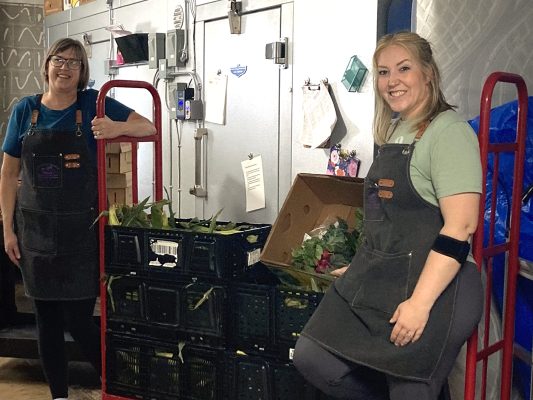
Gleaning with Purpose: FoodWIse Builds Bridges Between Farmers and Families in Need
Thanks to a new gleaning program, food pantry guests in Watertown are taking home locally grown, fresh produce on Tuesdays. Gleaning is collecting excess fresh foods from farms, gardens, grocers, or any other sources to provide it to those in need.
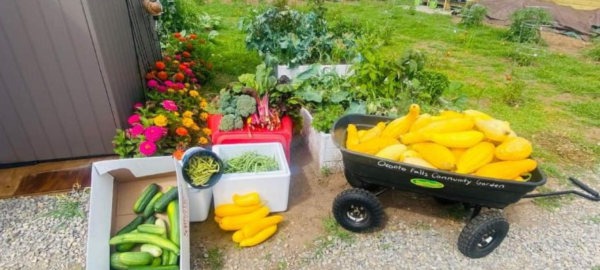
FoodWIse: Growing valuable community resources in Oconto Falls
Access to healthy food is challenging in rural areas, and many Wisconsin families struggle to afford healthy food on a limited budget. As food prices increase, more families are turning to emergency food providers, like food pantries, to help put food on the table.
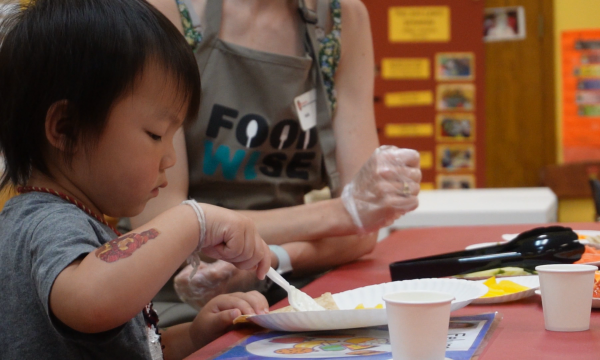
FoodWIse: Educating Families, Strengthening Communities
Many Wisconsin families struggle to make healthy choices on a limited budget. FoodWIse, University of Wisconsin-Madison Extension’s nutrition education program funded by SNAP-Ed, helps tens of thousands of our state’s residents every year to stretch limited food dollars, address chronic disease, and start healthy living at an early age.
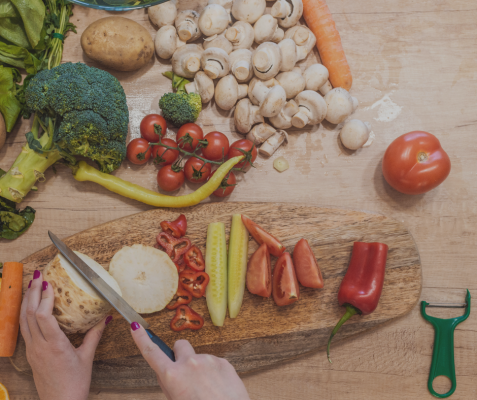
Encouraging Kids and Families to Eat More Wisconsin-Grown Fruits and Vegetables
Eating a variety of fruits and vegetables is important for healthy child growth and development and can reduce the risk of chronic health conditions later in life. However, according to the CDC, half of children aged one to five years don’t eat a vegetable daily, and one in three don’t eat a daily fruit. Schools play a key role in improving access to healthy foods and introducing children to new fruits and vegetables.

Strengthening Community Health Across Wisconsin: The Regional Community Health Team
The Regional Community Health Team (RCHT) is an initiative of the Health & Well-Being Institute to provide training, technical assistance, and resources to strengthen community-based collaborators’ ability to address health priorities. Launched in Spring 2024, the RCHT expands HWB’s statewide reach and impact in advancing community health.

WeCOPE: Building Self-Management Skills for Emotional, Mental, and Physical Well-Being
Managing stress and maintaining emotional well-being are ongoing challenges for many individuals, particularly in the face of life’s uncertainties. Research has shown that chronic stress negatively impacts both mental and physical health, increasing the risk of anxiety, depression, and other health conditions. In Wisconsin, communities have expressed a need for accessible and effective strategies to help individuals build resilience, cope with stress, and improve overall well-being. As one participant put it, “Last year was tough for many reasons. WeCOPE was a lifeline in a rough sea.”

Restoring Trust in Health Coverage: The Impact of Covering Wisconsin Navigators
Getting, keeping, and using health insurance is a challenge for many Wisconsinites. Confusing and conflicting information makes it hard to know who to trust. Scams and out-of-state agents may sign people up for programs that don’t provide the care they need. Understanding the out-of-pocket costs and finding in-network providers are additional barriers. Navigating these systems can be time-consuming, and by the time someone receives an expensive bill or learns their provider is out of network, they may feel discouraged and delay or forego needed care.
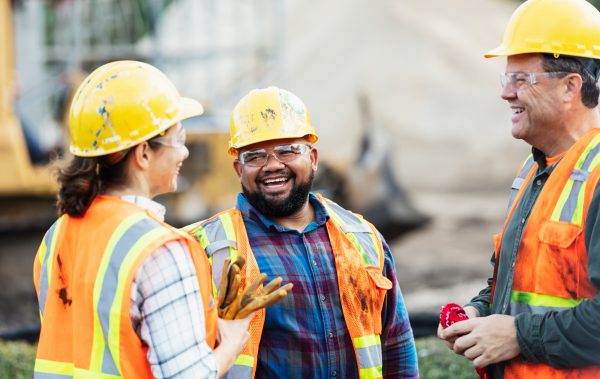
Creating Recovery Friendly Workplaces for a Healthier Workforce
Substance use disorders impact millions of Americans, with an estimated 23 million in recovery. Stable employment is key to sustaining recovery, yet stigma and workplace policies often create barriers. Many employers lack the resources to support employees in recovery, leading to missed workforce retention opportunities, increased healthcare costs, and economic instability.

Building Strength, Expanding Access: Multilingual StrongBodies
Physical activity is essential for maintaining mobility, independence, and overall health, especially for older adults. However, access to structured physical activity programs can be limited by language barriers, geography, and availability of in-person classes.

Empowering Wisconsin Pantries to Provide Safer, Healthier Food for All
The Safe and Healthy Food Pantries Project equips Wisconsin pantries with tools and training, resulting in safer food handling and improved nutrition for pantry guests.
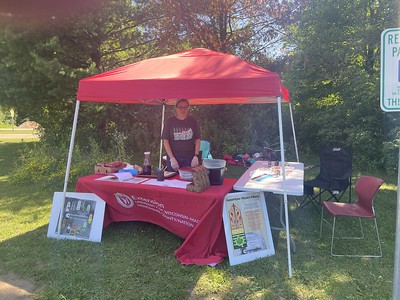
Kehtekaewak Farmers’ Market – Growing Community and Local Foods to Combat Food Apartheid
Since 2015, the College of Menominee Nation (CMN) has worked to address barriers to local food production, support the local economy, and increase food grown within the reservation through the Kehtekaewak Farmers’ Market.
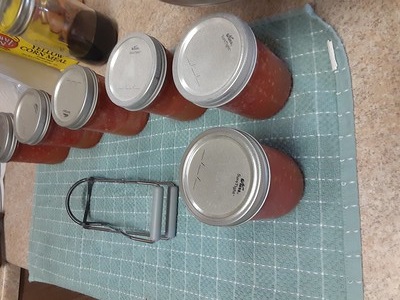
Community Kitchens and an Intertribal Processing and Preserving Network: Space and Sharing to Revive Menominee Food Practices
While interest in community spaces, resources, and education for the processing and preserving of traditional Menominee foods has been long standing, the Kemāmaceqtaq team joined local community members and organizations in 2020 to move these interests forward towards their realization.
Covering Wisconsin’s Targeted Outreach Project
In collaboration with DHS, Covering Wisconsin (CWI) planned an extensive targeted outreach campaign with strict data sharing, privacy, and security agreements.
Great Lakes Rural Opioid Technical Assistance-Regional Center (ROTA-RC) Project
There is limited access to substance use and mental health education in rural Great Lakes communities. The Great Lakes ROTA-RC project addresses this challenge by creating a virtual learning community.