

Home » CDC HOP: Ashland County & Menominee County/Nation Community Health Project » Kemāmaceqtaq: We’re All Moving: Food Systems
Kemāmaceqtaq: We’re All Moving: Food Systems
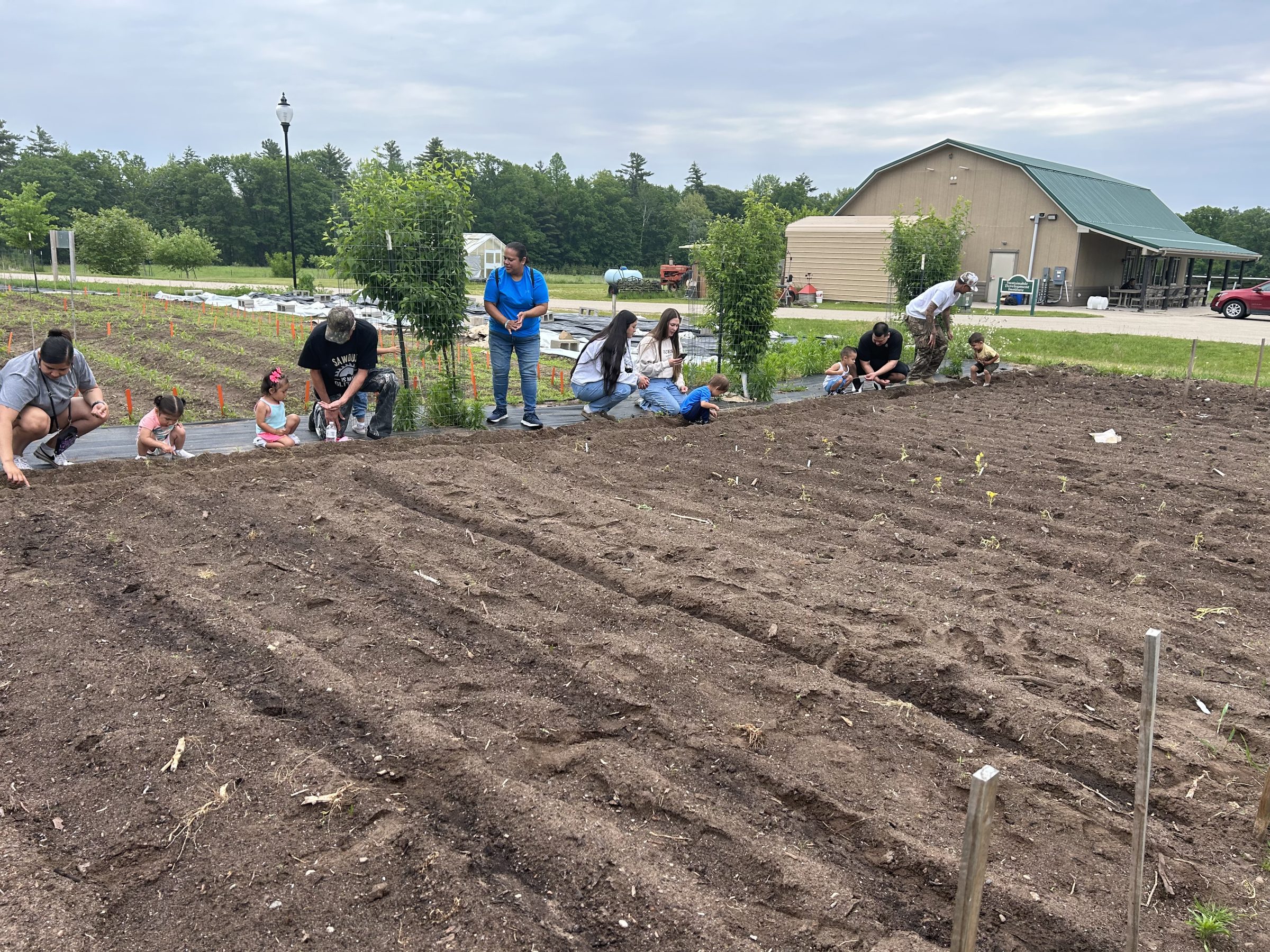
Food Systems
Kemāmaceqtaq: We’re All Moving collaborates with local partners to strengthen the food system so everyone can access healthy, culturally relevant foods.
Processing and Preserving Networks
Launched in 2019, this network brings together representatives from Menominee County/Nation Division of Extension and Tribal nations across Wisconsin. With over 80 participants from six Tribal nations, the group met primarily online to share knowledge and resources. Activities included a virtual tour of the Oneida Cannery and discussions on topics like safe food handling and venison preservation.
Goals:
Kemāmaceqtaq team members also completed a virtual train-the-trainer series with Michigan State University preservation experts and continue sharing this knowledge locally and within the network.
Harvest of the Moon
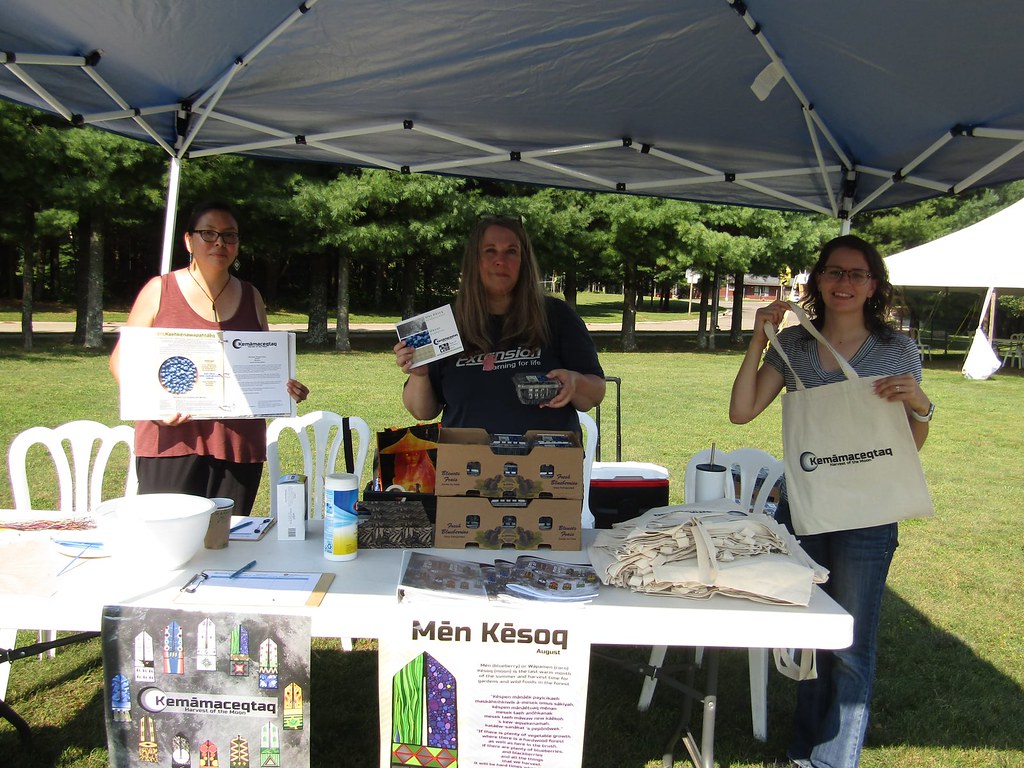
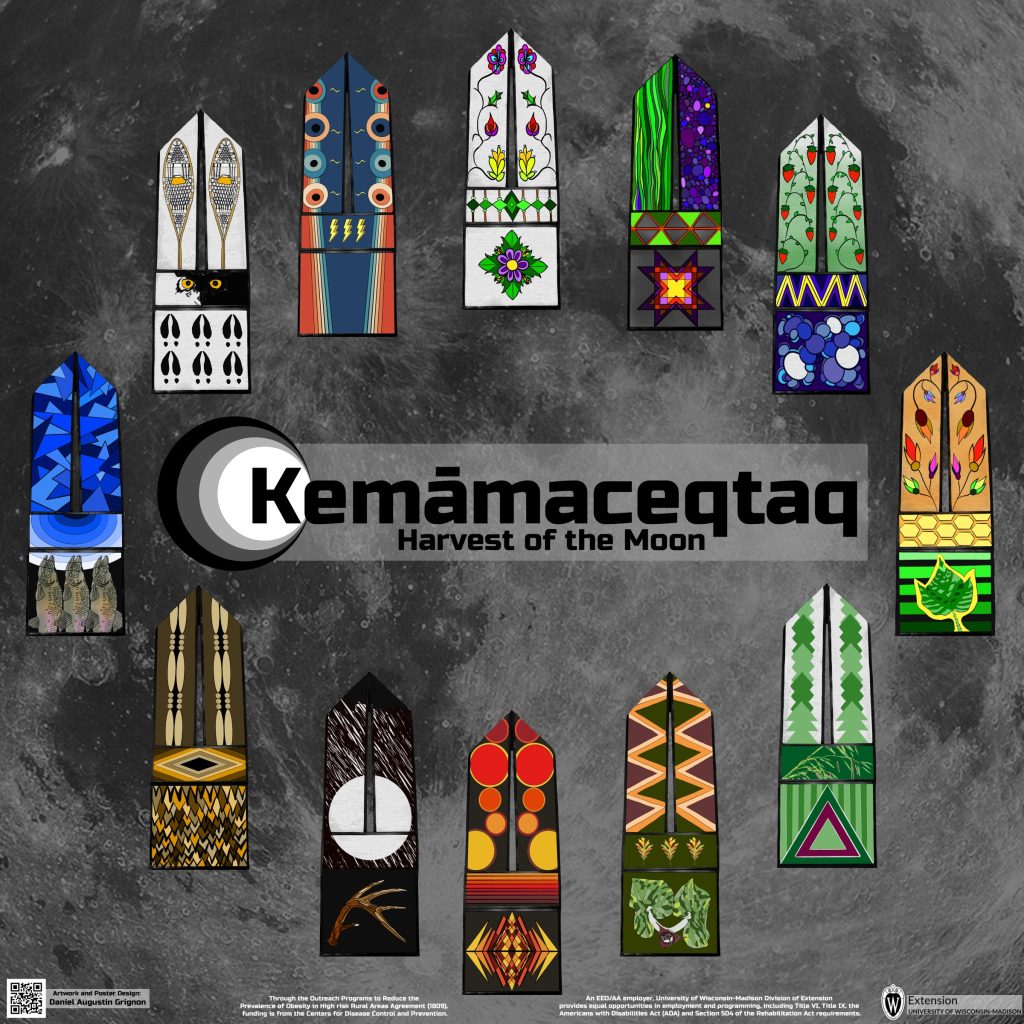
Harvest of the Moon strengthens connections to food through Menominee language, Menominee Moons, art, and Indigenous recipes. Materials are designed for use in schools, afterschool programs, senior meal sites, 4-H meetings, and other community settings. Grocery stores, including Save-A-Lot continue to feature Harvest of the Moon food and resources.
The team also hosted a monthly booth at the Kehtekaewak (“They Eat Food”) Farmers’ Market featuring:
Impact:
Community Kitchen and Wellness Initiatives
The new Community Kitchen, located in the Department of Agriculture and Food Systems building, provides local growers and food producers with tools for food processing and preservation. Equipment includes a freeze dryer and a washing machine for hulling corn. Kemāmaceqtaq team members helped establish this kitchen and lead food preservation classes.
The Menominee Wellness Initiative (MWI) brings agencies together to support healthy food choices and physical activity. MWI integrates Indigenous knowledge to promote wellness across physical, emotional, spiritual, and mental health.
Kehtekaewak Farmers’ Market
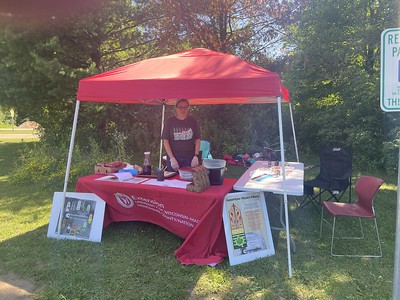
The Kehtekaewak Farmers’ Market increases access to healthy, locally grown foods while supporting local growers and food businesses. Since 2021, Kemāmaceqtaq and the College of Menominee Nation have:
Special events have included cooking demos with Indigenous chefs, vaccination education, and voter promotion.
Indigenous Cooking with Elena Terry
Elena Terry, a member of the Ho-Chunk Nation, led a cooking demonstration for staff working with youth and food service. The training focused on incorporating Indigenous and ancestral ingredients into everyday meals to reconnect with traditional food systems.
“Indigenous Cooking with Elena Terry” was filmed by Daniel Grignon and edited by Sabrina Hemken.
Success Stories
Kehtekaewak Farmers’ Market – Growing Community and Local Foods to Combat Food Apartheid
Since 2015, the College of Menominee Nation (CMN) has worked to address barriers to local food production, support the local economy, and increase food grown within the reservation through the Kehtekaewak Farmers’ Market.
Harvest of the Moon: Revitalizing traditional Menominee food knowledge and healthy eating habits in youth
The Kemāmaceqtaq (“We’re All Moving”) team of Extension Menominee County/Nation, University of Wisconsin-Madison, worked with language and culture keepers and community artists to create a unique curriculum anchored in Menominee knowledge of the 13 moons and their associated Indigenous food practices.
Made possible with funding from the Centers for Disease Control and Prevention.