

Home » CDC HOP: Ashland County & Menominee County/Nation Community Health Project » Kemāmaceqtaq: We’re All Moving: Safe and Accessible Physical Activity
Kemāmaceqtaq: We’re All Moving: Safe and Accessible Physical Activity
Safe and Accessible Physical Activity
Kemāmaceqtaq: We’re All Moving supports community design changes, like adding sidewalks, trails, and safe spaces, that make it easier and safer for people to be physically active.
Increasing Physical Activity with Community Design
We support building and improving community spaces, like parks, sidewalks, and trails, that make it easier and safer for people to be active. Our current work focuses on planning and assessments to guide these changes. In the first year, we partnered with Middle Village to complete an assessment and begin developing a new park. In the second year, we assessed Zoar and plan to work on enhancements there this year or next. These efforts are part of a broader goal to create community infrastructure that encourages physical activity.
Improving Parks
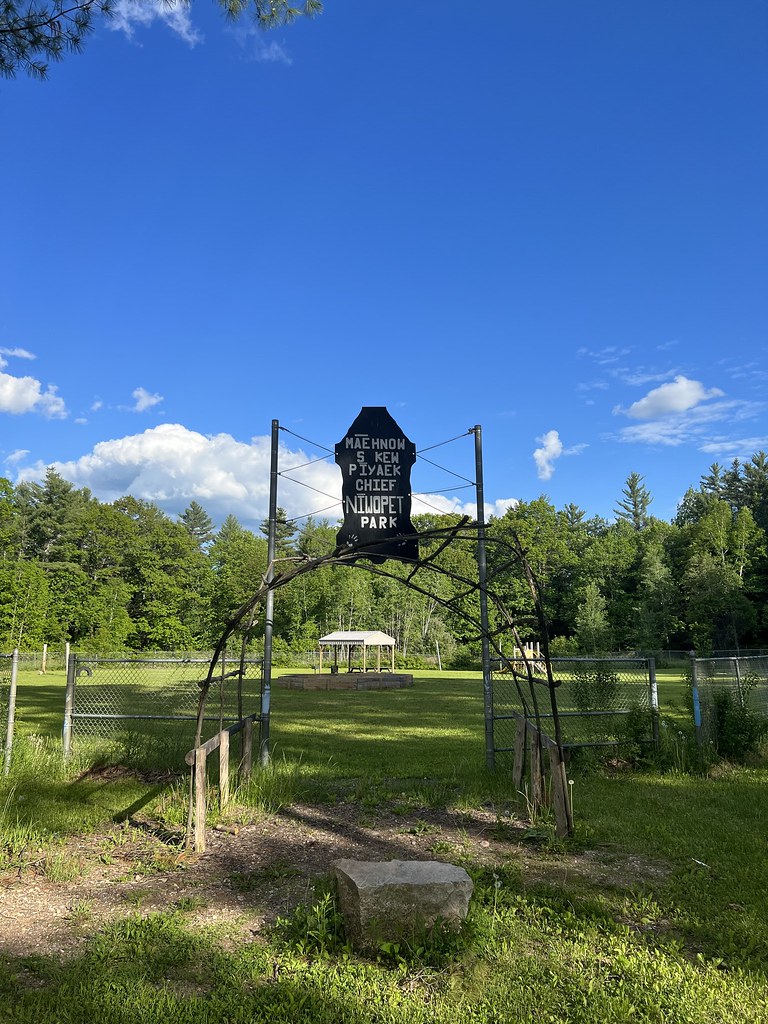
In 2019, Extension Menominee County/Nation brought organizations together to complete Wisconsin’s Active Community Toolkit assessment. That summer, youth leaders and community partners conducted three walking audits to explore local needs. Using these findings, project collaborators worked with the Menominee Indian Tribe to guide improvements at two parks, Chief Niwopet Park in Neopit and Sturgeon Park in Keshena, between October 2019 and January 2020.
Team members also recruited College of Menominee Nation students for a virtual community design session to evaluate Neopit and Keshena and imagine future landscape designs. Priority areas included active living, connecting routes to everyday destinations, and adding cultural elements to community spaces. Students highlighted “places of hope”, locations where they wanted more resources for better signage, safer access, and Menominee art.
Supporting Active Communities
The Kemāmaceqtaq team worked with the Menominee Indian Tribe of Wisconsin and Menominee County to engage residents in evaluating local spaces and planning improvements that make daily activity easier. Efforts focused on sidewalks, trails, parks, and recreation areas in Keshena and Neopit, as well as nearby forests, rivers, and lakes.
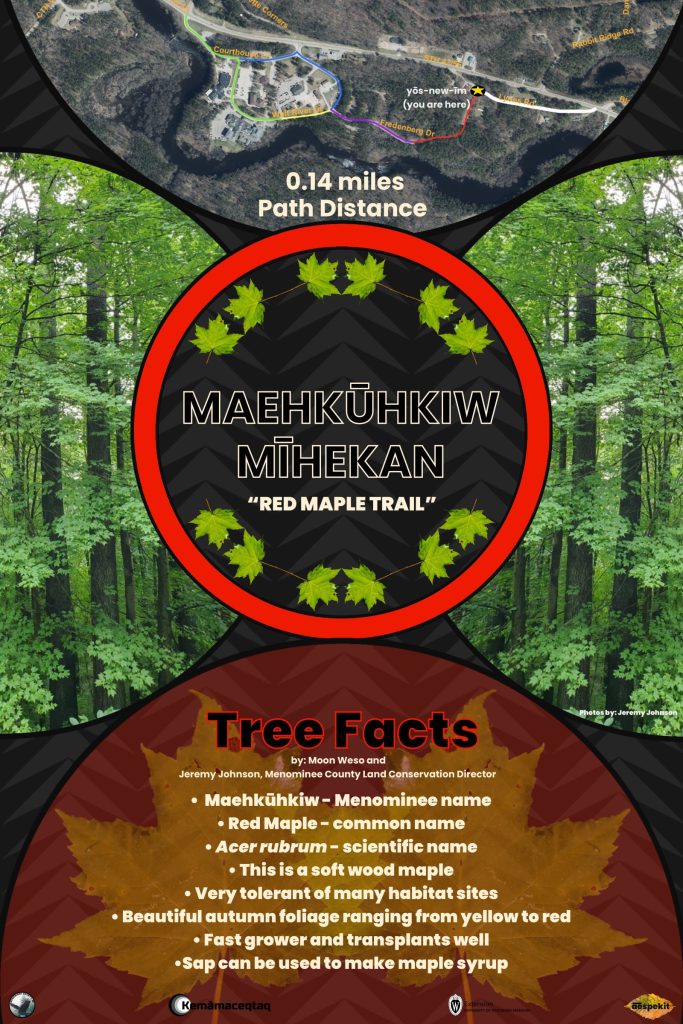
Together, collaborators developed and implemented three plans along two walking and biking routes, improving nearly 7 miles of pathways and 16 community destinations for about 2,262 residents. New features include tree identification signs designed by Dan Grignon along Wolf River and Courthouse Lane roads, creating an educational and enjoyable experience for walkers. These changes give the Menominee community better access to everyday destinations by walking and biking, supporting a culture of active living.
Building Bike-Friendly Communities
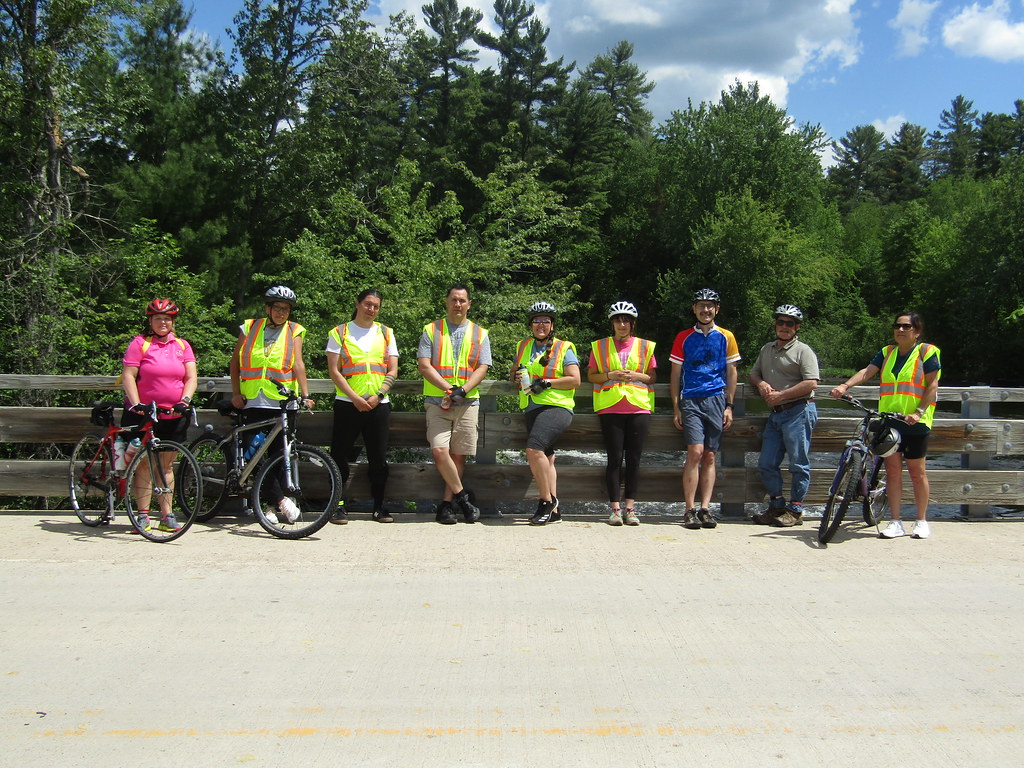
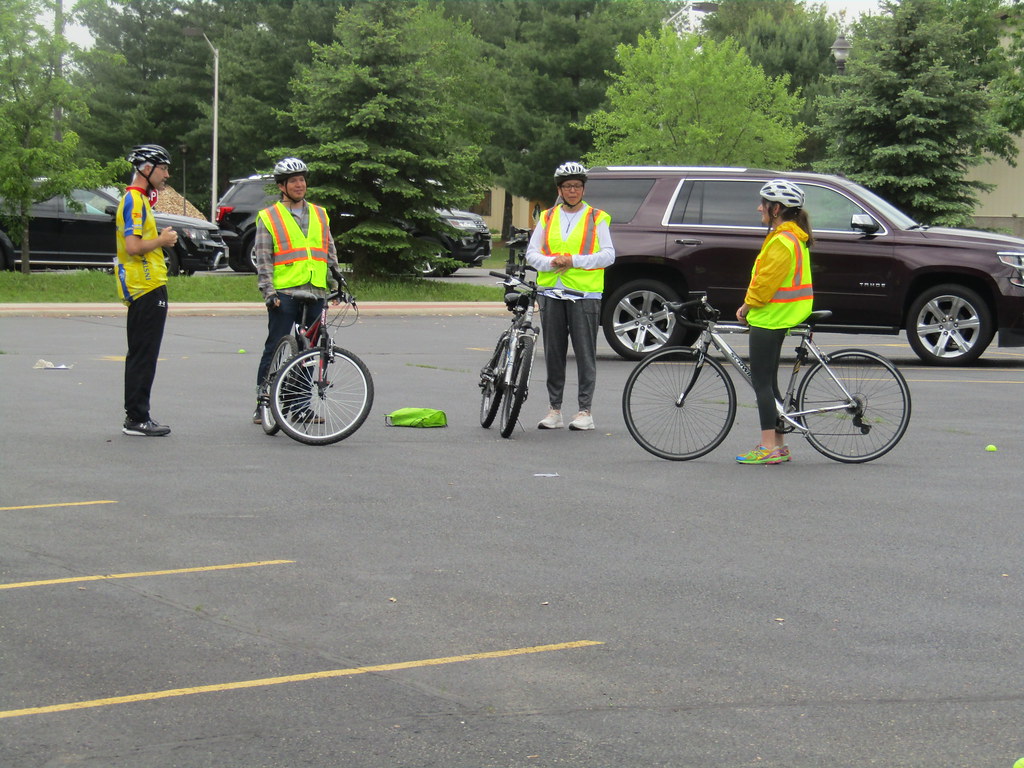
In summer 2022, the League of American Bicyclists trained representatives from Community Development, the College of Menominee Nation, and MITW Youth Services in bike safety. Participants earned certification as League Cycling Instructors, enabling them to lead community bike safety classes. This training strengthened local capacity to teach bike safety and advocate for safer biking environments. Following the training, team members hosted bike rodeos—fun events where community members learned safety skills and practiced on obstacle courses.
The Kemāmaceqtaq team also improved accessibility and appeal at key destinations. They installed bike racks at seven locations, including schools, the courthouse, and the recreation center. Seven parks, such as Chief Niwopet Park, Keshena Falls Park, and Wolf River Park, were enhanced with picnic tables, benches, planters, pollinator habitats, solar-powered signage, bike racks, and Native art. Additional upgrades at Fredenberg Green Space and the Menominee Family and Community Engagement Center included art, planters, seating, and bike racks, creating vibrant spaces for active living.
Success Stories
Extension Team Enhances Recreation Spaces in Menominee County Nation
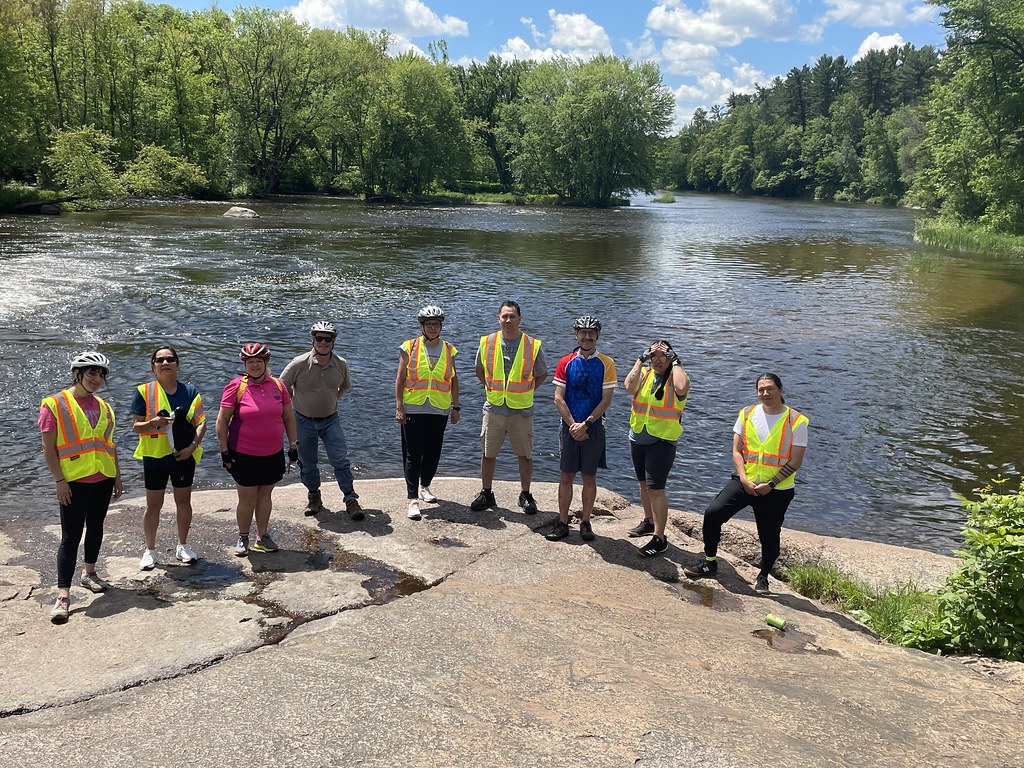
The Extension Menominee County/Nation Kemāmaceqtaq team convened community members and organizations to complete Wisconsin’s Active Community Toolkit assessment, along with three walking audits using an intergenerational approach, to identify opportunities to improve community design and land use, promote active transportation, and enhance and promote places to be physically active.
Made possible with funding from the Centers for Disease Control and Prevention.