Harvest of the Month: Greens
Click buttons below to explore other spring fruits and veggies:
Facts
Nutrition and Seasonality
Key Nutrients
- Calcium – Builds strong bones and teeth.
- Vitamin A – Keeps skin and bones healthy, resists and fights infection, and maintains good eyesight.
- Vitamin C – Helps wounds heal, is important for the immune system, and is an antioxidant, which protects cells from damage.
- Potassium – Helps maintain normal blood pressure.
- Vitamin K – Needed for blood clotting, preventing excessive bleeding.
Seasonality
- Fresh greens grown in Wisconsin are available from May through October.
Try New Foods
Build excitement to try new foods by using a Mystery Bag.
Place a few leaves of spinach or chard inside a small paper bag and allow your child to feel them without peeking. Ask your child to guess what is in the bag. Reveal the leaves and offer a taste.
This is a pre-existing electronic document and is not accessible. PDFs are intended for print. To request an accessible version or a reasonable accommodation due to disability, please email emily.latham@wisc.edu.
- Select: Look for greens that are a deep green color and have crisp leaves.
- Store: Refrigerate in a plastic bag for 3-5 days.
- Prepare: Rinse, then tear or chop the leaves.
Add Greens to Your Favorite Family Meals
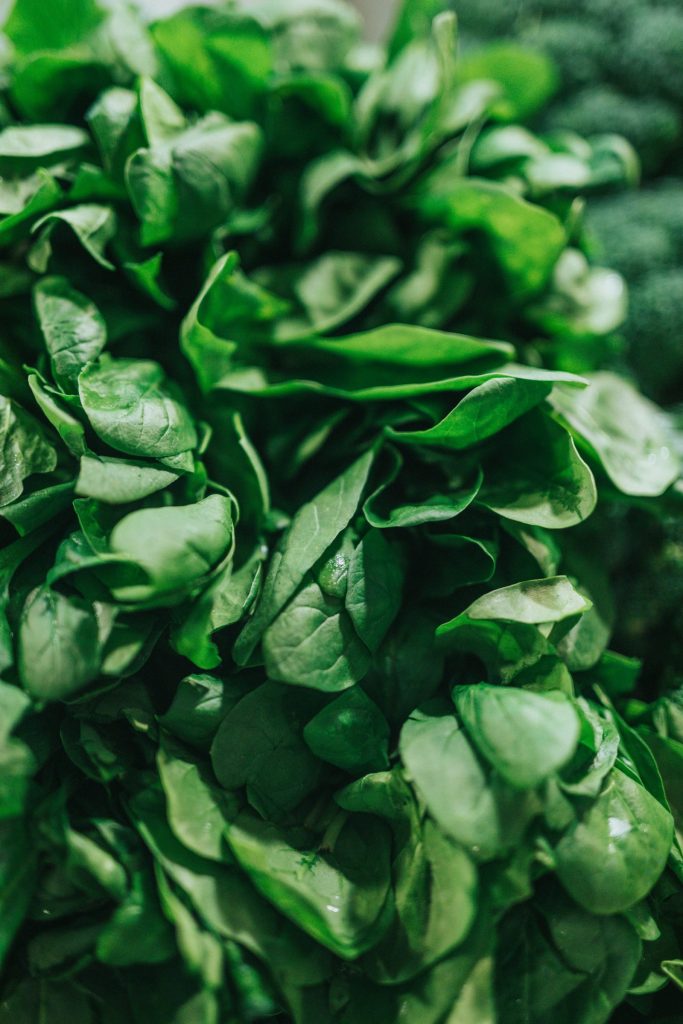
- Add fresh spinach to your smoothie.
- Use fresh or frozen spinach in lasagna, casseroles, or soups.
- Saute Swiss chard with garlic and add to eggs or top a pizza.

Books
- From Seed to Plant by Gail Gibbons
- Oliver’s Vegetables by Vivian French
- Plants on My Plate by Cathy Smith
- The Tiny Seed by Eric Carle
- Sylvia’s Spinach by Katherine Pryor
- Sneaky Spinach by Alexis Schulze
Family Fun: Superhero Greens
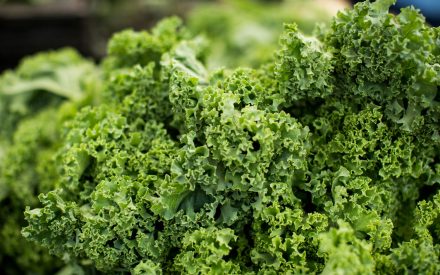
Try different “super green” vegetables including spinach, Swiss chard, kale, collard greens, romaine lettuce, watercress, bok choy, and mustard greens. “Super green” refers to dark green vegetables that contain extra amounts of key nutrients like vitamins A and C, potassium, and dietary fiber. These dark green vegetables are important to eat often to grow and stay healthy. Ask kids to give each veggie a new Superhero name!
Garden Connection
Planting
Greens are perfect for growing in school gardens! Growing greens in the fall is ideal because harvesting fits well with the academic calendar, but greens can be grown in the spring as well. Greens grown in the summer can taste bitter. Most greens (especially spinach) are quick growing, frost-tolerant, and generally easy to grow. Plant a variety of chard, spinach, and other greens to make a “salad garden”. Plant seeds directly in the garden.
Harvesting
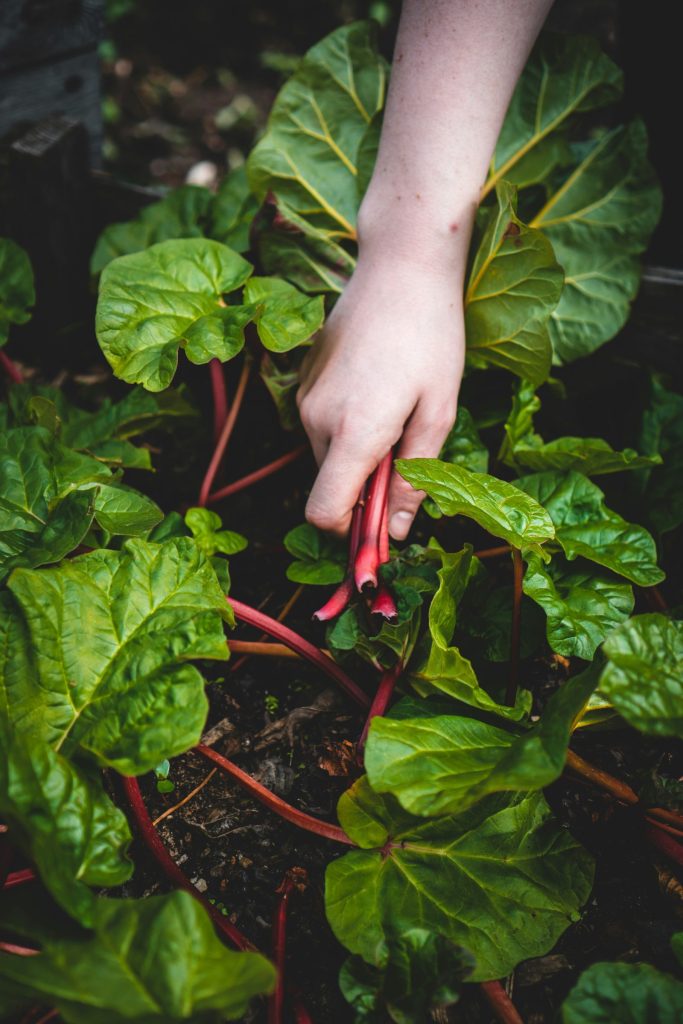
Harvest spinach whenever the leaves are large enough to use, about 3-6 inches. Spinach is usually best if it is cut while young. Harvest chard while the leaves are young and tender or after they mature and are larger. Chard stems are edible too! Cut off outer leaves individually and let the inner leaves continue to grow for a future harvest.