Harvest of the Month: Kale
Click buttons below to explore other autumn fruits and veggies:
Facts
Nutrition and Seasonality
Key Nutrients
- Vitamin K – Needed for blood clotting, preventing excessive bleeding.
- Vitamin A – Keeps skin and bones healthy, resists and fights infection, maintains good eyesight.
- Vitamin C – Helps wounds heal, is important for the immune system, and is an antioxidant, which protects our cells from damage.
Seasonality
- Fresh kale grown in Wisconsin is available from May through October.
Trying New Foods
Children love to explore food using their five senses.
Allow them to use their clean hands to rub chopped raw kale before adding it to a salad. This is called “massaging” the kale. It helps to soften the leaves. This is a great way to encourage them to try new foods!
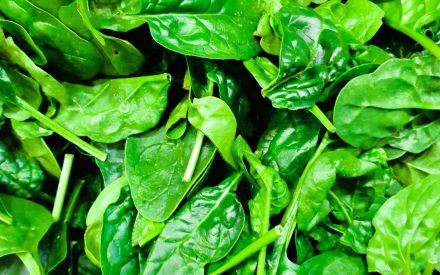
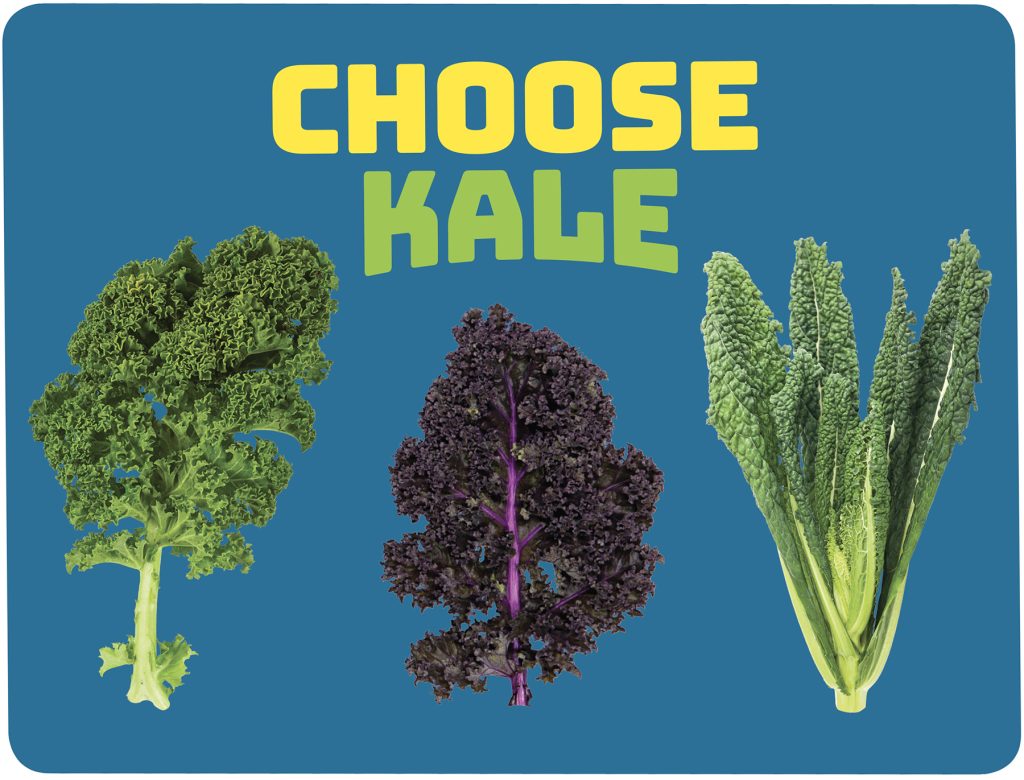
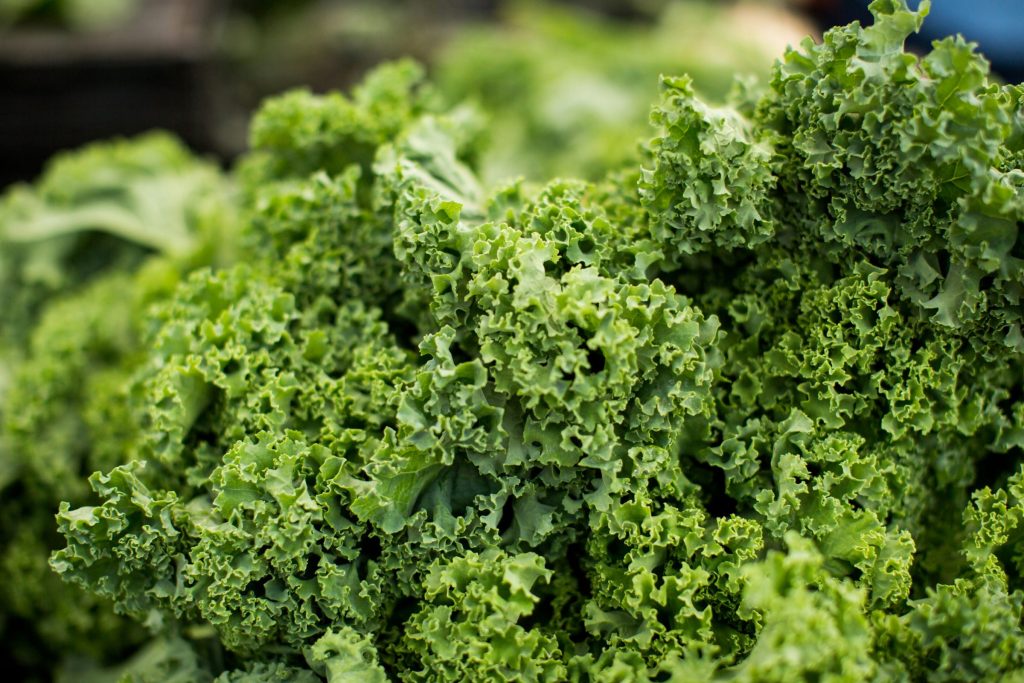
- Select: Choose dark colored kale bunches.
- Store: Store kale in a plastic bag in the coldest part of the fridge for 3-5 days.
- Prepare: Rinse leaves under cool running water.
Add Kale to Your Favorite Family Meals
- Add fresh kale to smoothies or salads.
- Steam fresh kale and season with lemon juice, olive oil, salt, and pepper.
- Mix chopped kale into the pot with pasta 5 minutes before it is done. Strain and add your favorite sauce.

Books
- Captain Kale and the Super Foods by Amy Roth
- The Tale of Kale: Based on a Kid’s Real Story by Lisa Borden
Kale Chips
Bake kale in the oven to make kale chips. Kids can help rip kale into bite-sized pieces. Toss with olive oil and a sprinkle of salt. Place kale pieces on a cookie sheet. Bake in the oven at 375°F until they are crispy, about 10-15 minutes.
Garden Connection
Planting
Kale is a cool season plant and can withstand frosts and snowfall, but it doesn’t love the summer heat. Plant seeds early in the spring about ½ inch deep and 8 inches apart. You can also plant again 6-8 weeks before the first fall frost for a late season harvest.
Harvesting
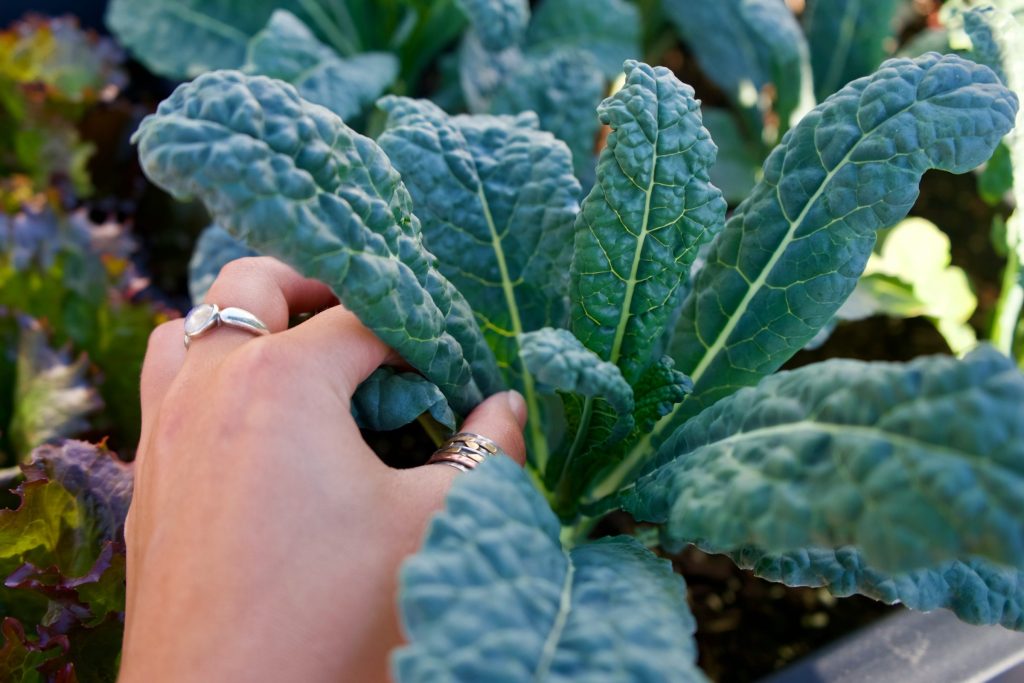
Harvest kale when several leaves have developed. Cut older, larger leaves and allow younger leaves to keep growing. You can continue to harvest kale through the season.