Harvest of the Month: Peppers
Click buttons below to explore other summer fruits and veggies:
Facts
Nutrition and Seasonality
Key Nutrients
- Vitamin C – Helps wounds heal, is important for the immune system, and is an antioxidant, which protects cells from damage. Red bell peppers have more than twice the vitamin C as green peppers.
- Folate – Helps prevent birth defects, is needed to make DNA, and helps your cells divide, including red blood cells.
- Vitamin E – Functions as an antioxidant to help prevent chronic diseases, like heart disease.
Seasonality
- Fresh peppers grown in Wisconsin are available from July through October. Hot peppers can be dried for future use.
Try New Foods
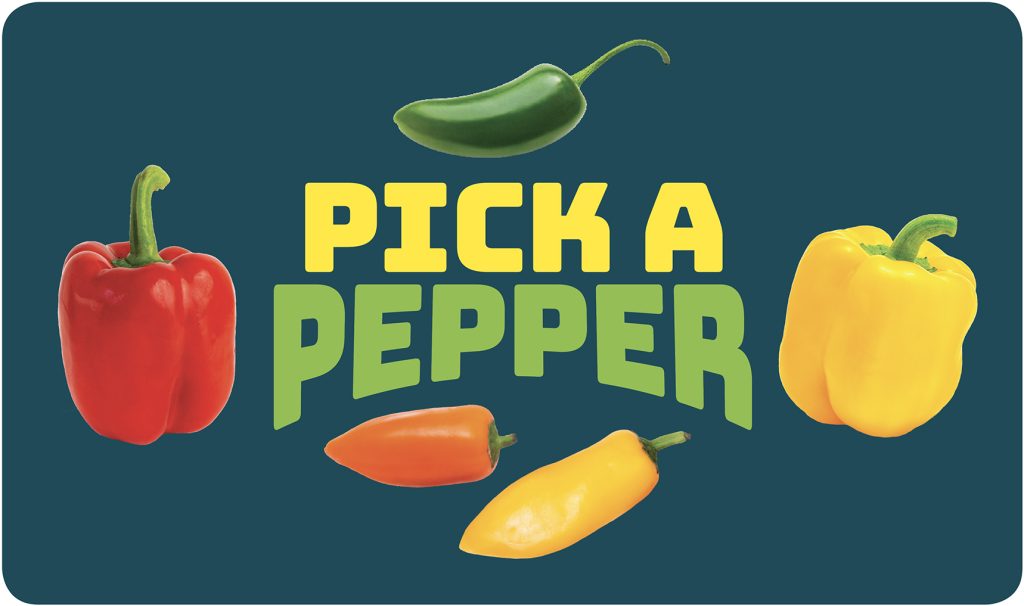
Offer your child different colors of sweet peppers, like red, yellow, orange, and green.
Which one is their favorite? Add extra diced peppers to stir fry, pasta, and eggs, or freeze them to use later.
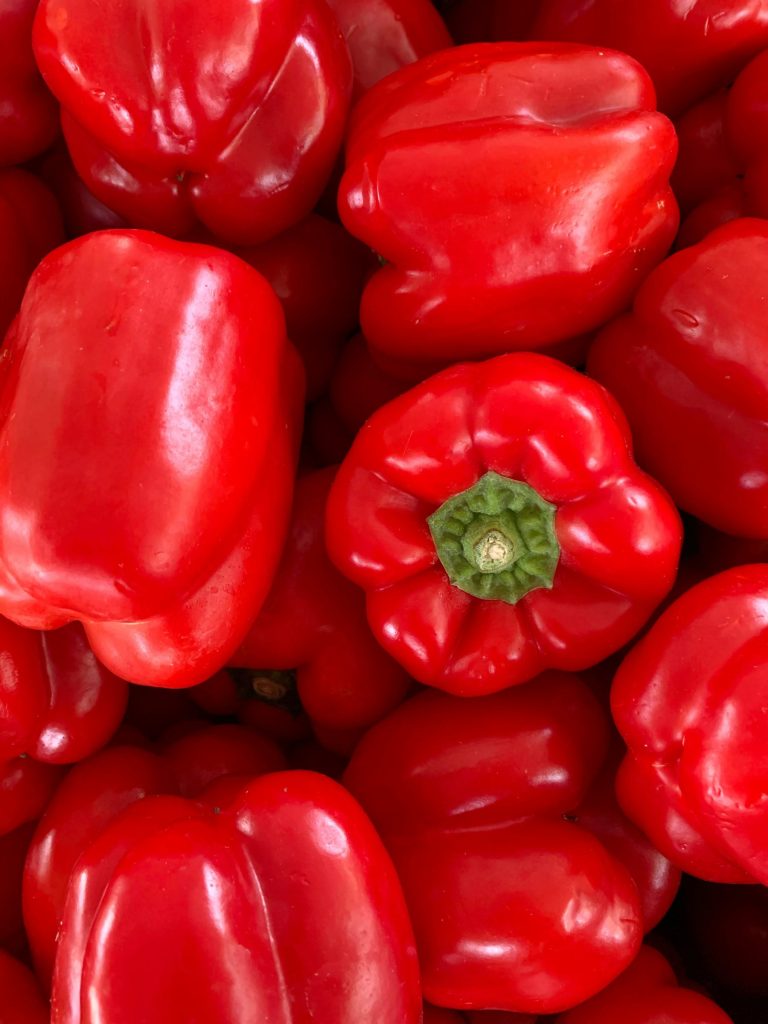
- Select: Choose peppers that are firm and bright colored.
- Store: Refrigerate in a plastic bag and use within 5 days.
- Prepare: Sweet and hot peppers are delicious raw, grilled, or sautéed!
Add Peppers to Your Favorite Family Meals
- Slice peppers into strips and eat raw with your favorite dip.
- Roast or sauté sliced peppers to add to burritos or fajitas.
- Cook peppers into a tomato sauce and add to pasta.

Books
- Growing Vegetable Soup by Lois Ehlert
- Green is a Chile Pepper: A Book of Colors by Roseanne Greenfield Thong
- A Fruit is a Suitcase for Seeds
by Jean Richards
Kid Approved Pepper Rings
- Slice a bell pepper horizontally to make rings ½ inch thick.
- Place rings in a nonstick pan.
- Crack an egg into the middle of the ring.
- Fry for 2 minutes on medium heat.
- Flip carefully. Enjoy!
Garden Connection
Planting
Peppers prefer warm weather. They are sensitive to frost and do not grow well in cold, wet soil. It is best to start seeds indoors in the late winter and then transplant into the garden in late spring when the soil and air have warmed. Pepper plants are smaller than tomato plants, but they can get top heavy as the fruit grows. You may need to use cages or stakes to help the plants stay upright.
Harvesting
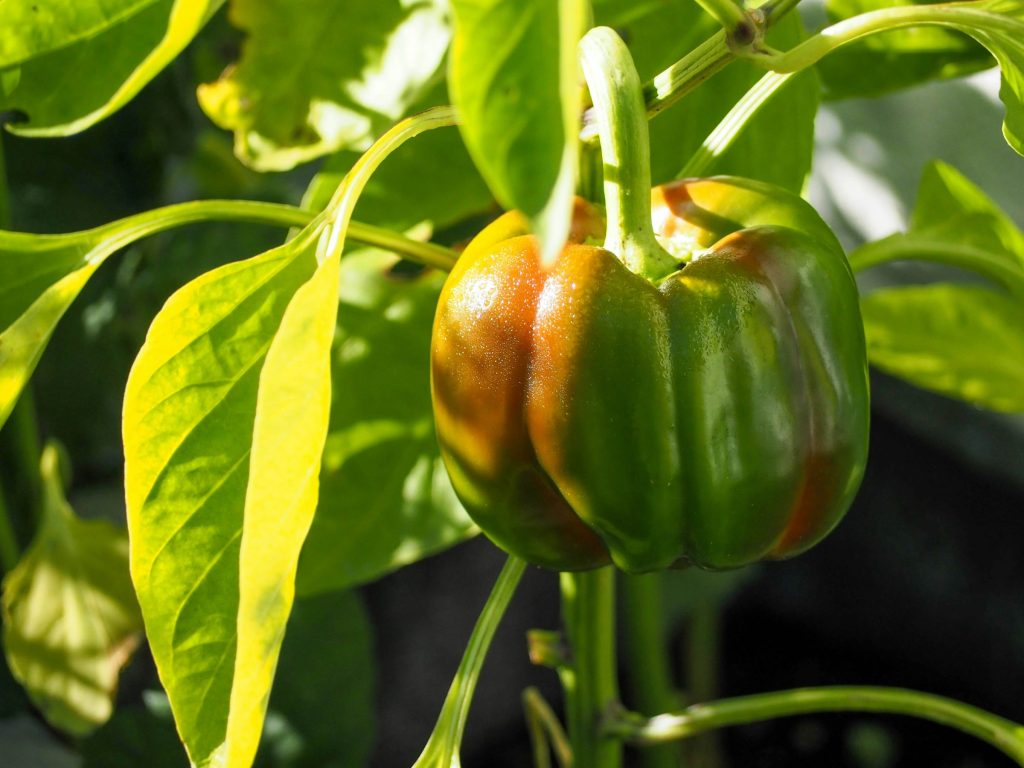
Harvest peppers green at any size or leave them on the plant to ripen to red, yellow, orange, or purple. Hot peppers develop more heat as they turn to their mature color. The stems of peppers are brittle, so it is best to cut rather than pull peppers off by hand. The more you harvest the more peppers your plants will produce.