Harvest of the Month: Cranberries
Click buttons below to explore other autumn fruits and veggies:
Facts
Nutrition and Seasonality
Key Nutrients
- Antioxidants – Protect cells from damage.
- Vitamin C – Helps wounds heal, is important for the immune system, and is an antioxidant, which protects our cells from damage.
- Fiber – Keeps digestion running smoothly.

Seasonality
- Fresh cranberries grown in Wisconsin are typically available between September and October.
Trying New Foods
Offering small portions of new foods can help with food waste.
Cook fresh cranberries on the stove to soften and release their juices. Cranberry sauce can be frozen in ice cube trays for small portion sizes.
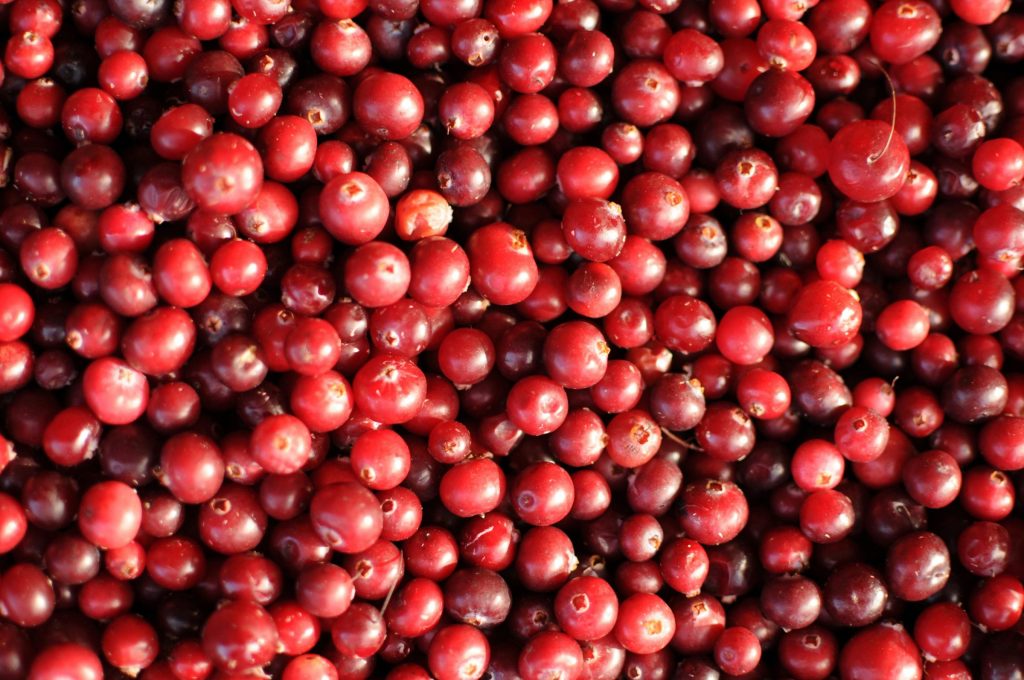
- Select: Cranberries are available fresh, frozen, canned, dried, and as 100% juice. If selecting fresh, choose plump, firm berries with a deep red color.
- Store: Refrigerate cranberries for up to 2 months or freeze for up to 9 months.
- Prepare: Sort and discard bruised cranberries. Do not thaw frozen cranberries. Simply rinse the frozen berry and add to your favorite muffin or stuffing recipe.
Add Cranberries to Your Favorite Family Meals
- Toss cranberries on oatmeal or cold cereal.
- Mix dried cranberries, raisins, cereal, and nuts for a healthy snack mix.
- Add cranberries to salads for a refreshing punch of tartness.


Books
- Wisconsin Cranberries Activity Book– www.wiscran.org
- Time for Cranberries by Lisl H. Detlefsen
- Cranberries: Fruit of the Bogs by Diane L. Burns
- Cranberry (See It Grow) by Jackie Lee
Family Fun: Sink or Float
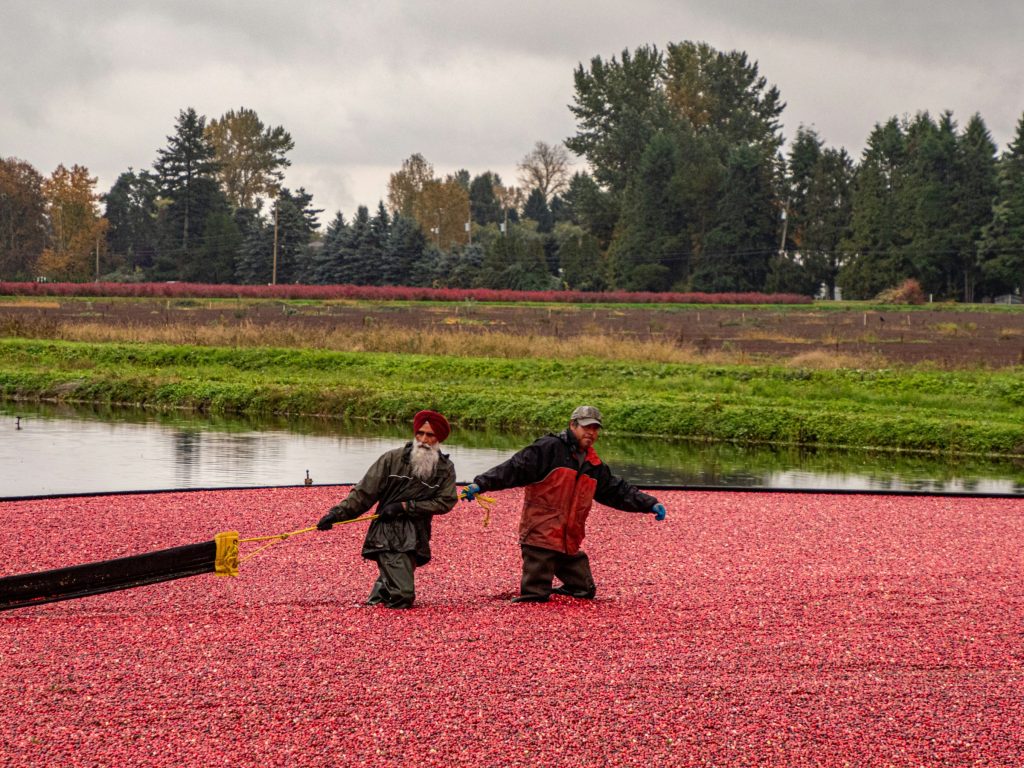
Ask your kids if they think fresh cranberries will sink or float when placed in water. Allow your kids to drop fresh (not dried) cranberries into a bowl or glass of water. What happens? Next, take a knife and cut the cranberry in half. Cranberries have four air pockets inside them. The air pockets let them float on water! This explains why cranberries are harvested by knocking them off bushes into flooded bogs.
Garden Connection
Planting
Most cranberries are grown on large farms and it is hard to grow them at home. Cranberries are grown in sandy soil. It takes 2-3 years before plants start producing cranberries. Cranberries return year after year; you don’t need to replant them.
Harvesting
Cranberry harvest starts in the fall. During harvest time the fields are flooded and the cranberries are removed from the vines. The cranberries float on top of the water! This makes it easier to remove them from the fields.