Harvest of the Month: Winter Squash
Click buttons below to explore other autumn fruits and veggies:
Facts
Nutrition and Seasonality
Key Nutrients
- Vitamin A – Keeps skin and bones healthy, resists and fights infection, and maintains good eyesight.
- Vitamin C – Helps wounds heal, is important for the immune system, and is an antioxidant, which protects cells from damage.
- Vitamin B6 – Important for immune system and brain function and helps you get energy from your food.
Seasonality
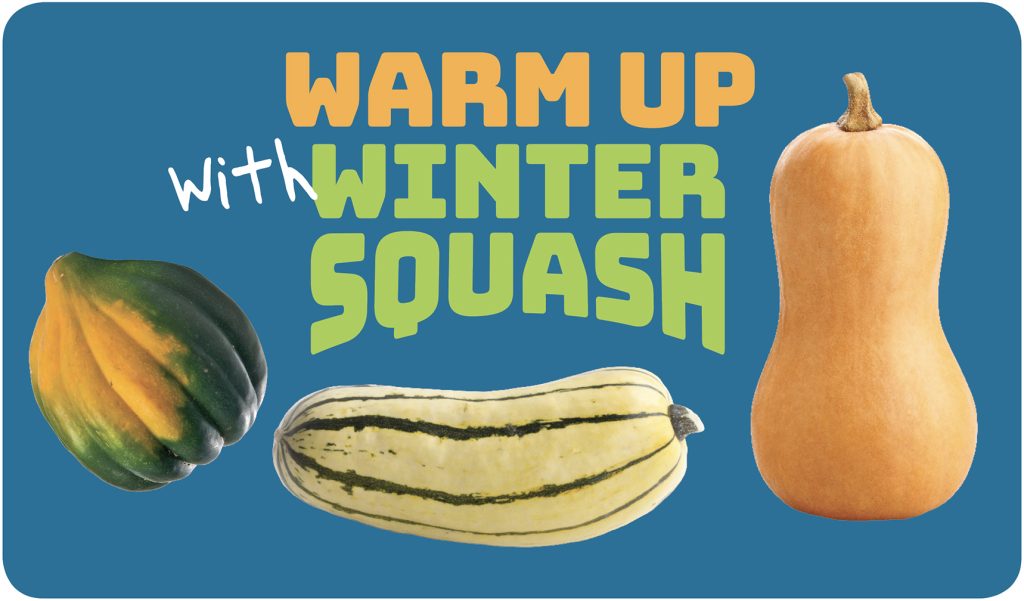
- Fresh winter squash grown in Wisconsin are available from September through November. When properly stored, winter squash can last throughout the winter.
Trying New Foods
Pair new foods with one or more foods your child already likes.
Roast butternut squash with apples, cinnamon, and nutmeg for a sweet treat. Try different types of winter squash like acorn, delicata, and spaghetti squash.
This is a pre-existing electronic document and is not accessible. PDFs are intended for print. To request an accessible version or a reasonable accommodation due to disability, please email emily.latham@wisc.edu.
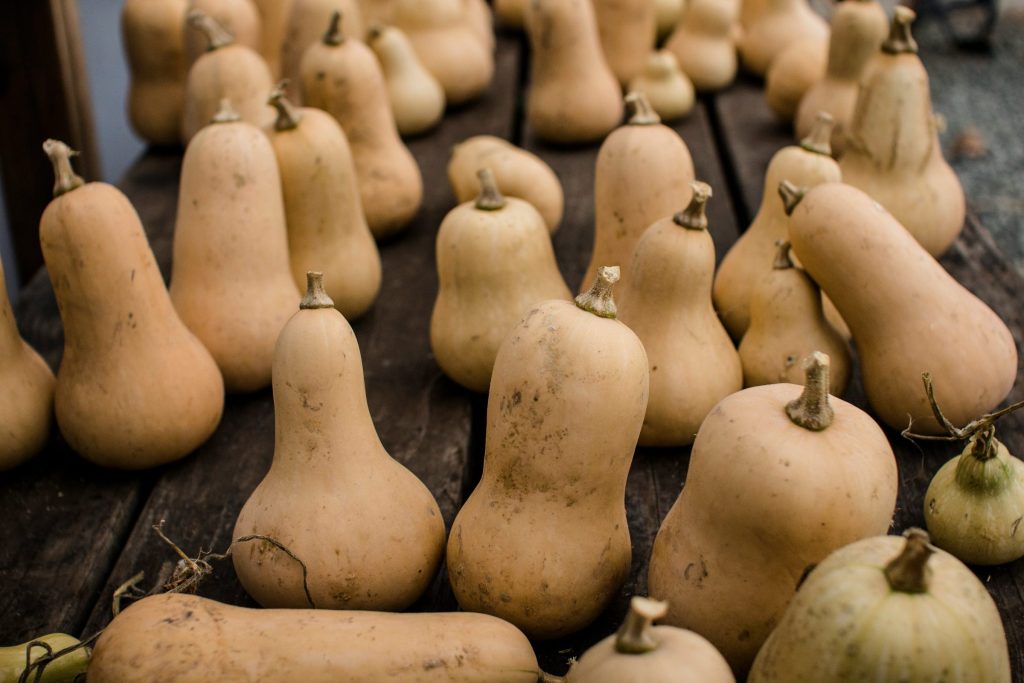
- Select: Choose squash that are heavy, firm, and have a full stem.
- Store: Store in a cool, dark place for up to one month.
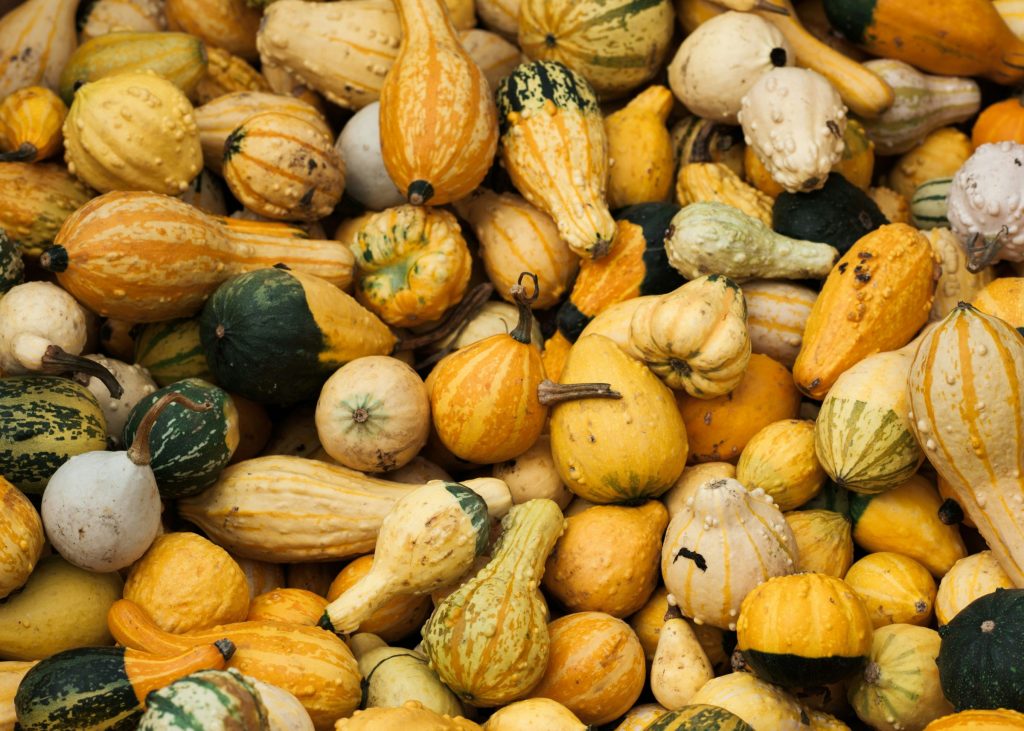
- Prepare: Squash with thinner skin, like delicata and sweet dumpling, can be eaten without being peeled. Other winter squash, like butternut or acron, have a hard rind that can be peeled with a vegetable peeler or sharp knife. You can peel squash before or after cooking.
Add Winter Squash to Your Favorite Family Meals
- Dice, microwave, or roast and add to salad, tacos, rice, or mac and cheese.
- Halve squash, roast cut side down, then add stufing.
- Puree microwaved or roasted squash for a soup or pie!

Books
- The Little Squash Seed by Gayla Scale
- Pumpkin Pumpkin by Jeanne Titherington
- Too Many Pumpkins by Linda White
- Sophie’s Squash by Pat Zietlow Miller & Anne Wilsdorf
- Mrs. McNosh and the Great Big Squash by Sarah Weeks
Kid Approved Spaghetti Squash with Basil & Parmesan
- Place 2 squash halves cut side down in a glass baking dish. Add about ¼ cup water and cover with plastic wrap.
- Microwave on high for 12 minutes or until soft when pressed. Let stand covered for 5 minutes.
- Scrape out squash with a fork.
- Toss squash with 1 Tbsp olive oil, 3 Tbsp parmesan cheese, 2 tsp dried basil, salt and pepper.
Kids can help scrape out spaghetti squash. The long strands look like pasta! Kids like to try food they help make. It’s a great way to encourage your child to eat fruits and vegetables.
Garden Connection
Planting
Squash is a tender vegetable and enjoys warm weather. Plant seeds outside when the soil warms and all danger of frost has passed. Try planting a Three Sisters garden. Growing squash with corn and beans benefits all three plants. This is a sustainable gardening practice common in Native American communities. Corn provides support for the beans, which help absorb nitrogen from the air to make rich soil for the squash. The leaves of the squash provide shade, which prevent weeds from growing and keep pests away.
Harvesting
Harvest winter squash whenever the fruits turn a deep, solid color and the rind is hard. Harvesting usually happens in September or October before heavy frosts. Cut squash from the vine carefully leaving about two inches of stem attached.