Harvest of the Month: Beets
Click buttons below to explore other winter fruits and veggies:
Facts
Nutrition and Seasonality
Key Nutrients
- Vitamin C – Helps wounds heal, is important for the immune system, and is an antioxidant, which protects our cells from damage.
- Folate – Helps prevent birth defects, is needed to make DNA, and helps your cells divide, including red blood cells.
- Potassium – Helps maintain normal blood pressure.
Seasonality
- Fresh beets grown in Wisconsin are available from June through October.
Try New Foods
Make dishes look fun and colorful!
Mix cooked beets into mashed potatoes for a pop of color.
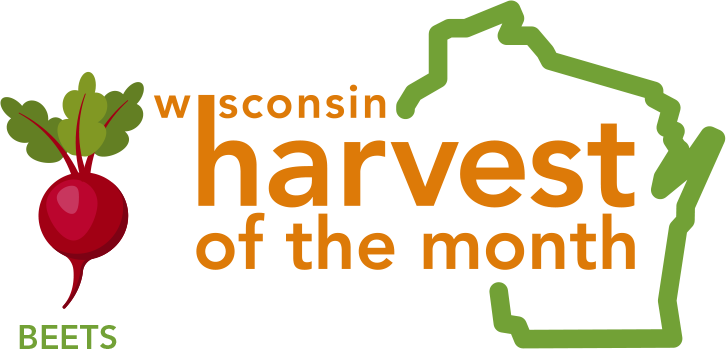
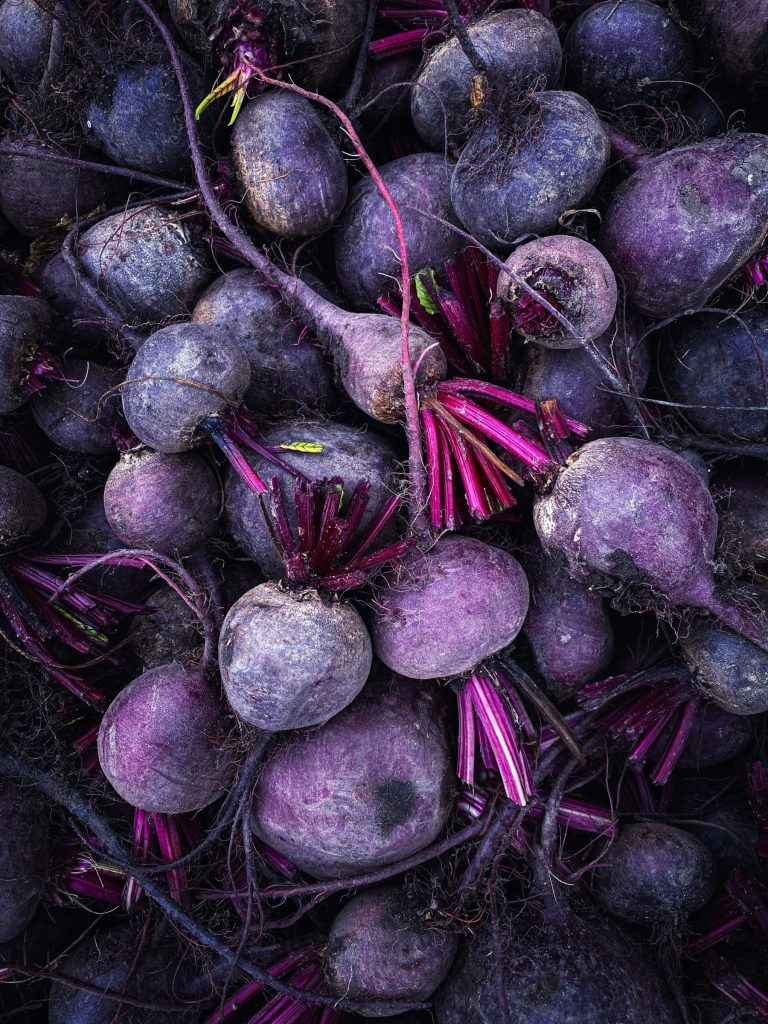
- Select: Choose beets with firm, smooth skins and crisp leaves. Smaller beets are more tender.
- Store: Remove greens, leaving about 1 inch of stem. Store beets in a plastic bag in the refrigerator for up to 2 weeks.
- Prepare: Rinse beets under cool running water and scrub with a vegetable brush. Beets can be eaten raw or cooked. You can eat the beet greens too.
Add Beets to Your Favorite Family Meals
- Add grated raw beets to salad.
- Mix cooked beets into mashed potatoes for a pop of color.
- Add raw or leftover cooked beets to canned vegetable beef soup and simmer until tender.

Books
- Tops and Bottoms by Janet Stevens
- The Big Beet by Lynn Ward
- Squash Boom Beet: An Alphabet for Healthy, Adventurous Eaters by Lisa Maxbauer Price
- Beets: Fun Facts on Fruits & Vegetables by Michelle Hawkins
- The Farmer & the Beet by Jeremy David
Colorful Beet and Potato Puree
- Place 3 medium cubed potatoes, ½ pound cubed beets, and ¼ cup water in a microwave-safe dish and cover with a lid or plastic wrap.
- Microwave on high until tender (about 10-12 minutes). Remove the lid.
- Add ½ cup skim milk and optional 1 Tbsp butter or margarine.
- Mash with a potato masher (kids can help with mashing!).
Garden Connection
Planting
Beets are tolerant to frost and can be planted in the spring, four weeks before the last frost. Plant seeds about ½ inch deep and one inch apart. Space rows 12-18 inches apart. Once the seedlings sprout, thin to 3 inches between seedlings. Beet seeds prefer cool and moist conditions, so remember to water your seeds regularly.
Harvesting
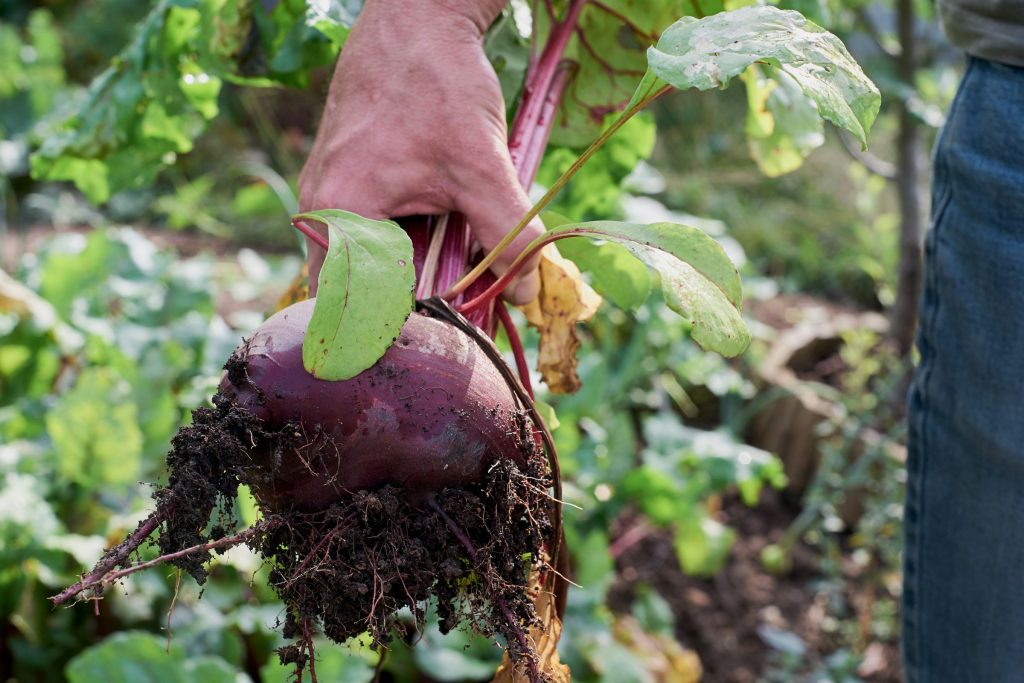
Harvest beets when they are between 1-3 inches in diameter. Beets larger than 3 inches may be tough and fibrous. Remove greens before storing beets in the refrigerator. Remember, you can eat the beet greens too!